6 min read
Robots.txt for AI Crawlers: What to Allow for Citations
Which AI crawlers to allow in robots.txt if you want citations: GPTBot vs OAI-SearchBot, ClaudeBot vs Claude-SearchBot, PerplexityBot, and Google-Extended.
Read article
Independent publication
The latest edition
Strategy and fundamentals for getting a brand found, understood, and cited by AI answer engines.
6 min read
Which AI crawlers to allow in robots.txt if you want citations: GPTBot vs OAI-SearchBot, ClaudeBot vs Claude-SearchBot, PerplexityBot, and Google-Extended.
Read article5 min read
Build a GEO citation coverage map to find unanswered brand questions, weak sources, stale claims, and practical content gaps AI systems can retrieve.
Read article
5 min read
Learn how to build GEO comparison pages with clear criteria, evidence, scope, and dates so AI answer engines can retrieve and cite them accurately.
Read article
5 min read
A step-by-step guide to running your own AI visibility audit: test LLM prompts, log brand citations, spot gaps, and turn them into a GEO content plan.
Read article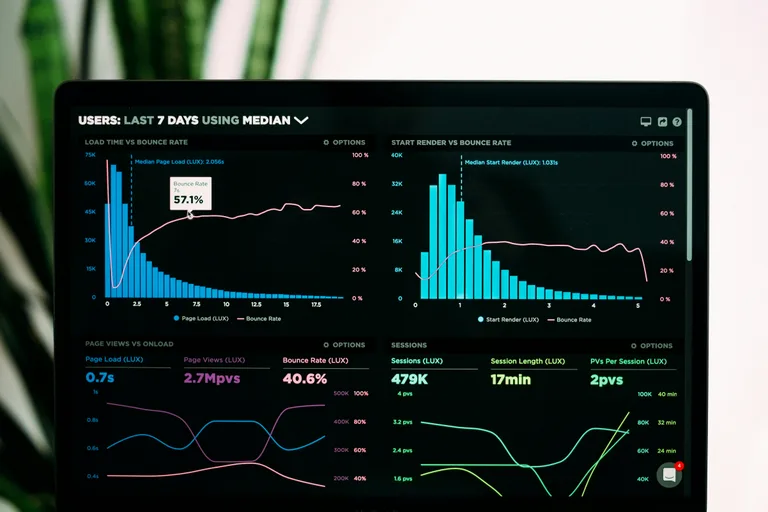
5 min read
AI engines favor fresh, dated, maintained content when choosing what to cite. How update cadence and recency signals keep your brand in AI answers.
Read article
5 min read
GEO for local and non-English brands: language signals, entity consistency across locales, and answer structure so AI cites you in your customers' language.
Read article
6 min read
Two verifiable levers, llms.txt and schema.org markup, that make AI answer engines read and quote your pages.
Read article
3 min read
LLM citability is how easily AI extracts a clear, correct sentence from your content. Learn to write extractable, quotable, fact-based content.
Read article
3 min read
Generative Engine Optimization (GEO) structures content so AI engines like ChatGPT and Perplexity can find, understand, and cite your brand in answers.
Read article